Photo Tips

The better the photo, the better the portrait. A few tips:

  • Clear and in focus: we need to see your pet's eyes, nose and fur detail.
  • Good, natural light: daylight near a window works best. Avoid heavy shadows and flash.
  • Eye level: photos taken at your pet's level, facing the camera, make the best portraits.
  • The whole head and ears in frame: nothing cropped off.
  • One photo per pet: for multi-pet portraits, separate photos of each pet are perfect. They don't need to be together.
  • Original photos: send the original from your phone rather than a screenshot or a photo of a photo.

Not sure about a photo? Send it anyway. If we need a better one, we'll email you before we start.

Photos that work, and photos to avoid

Photos that work
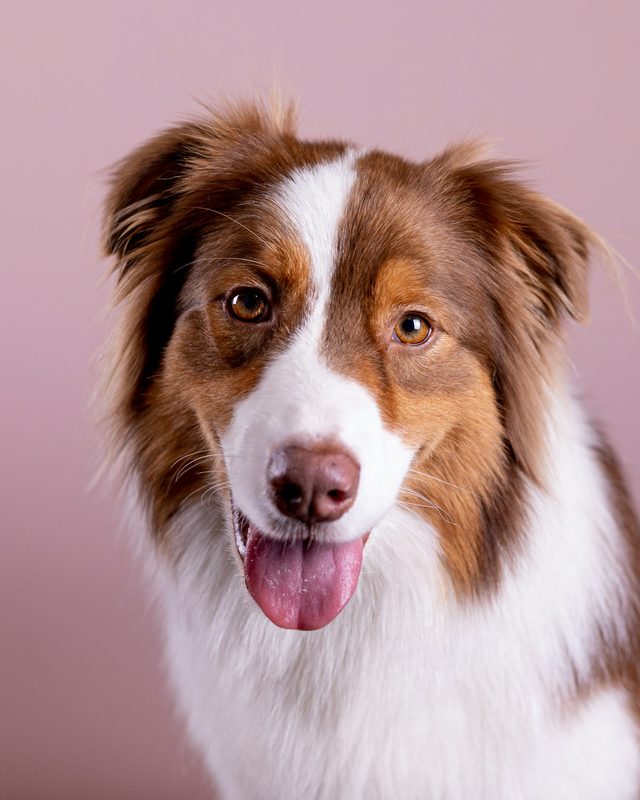
  • Sharp photo of an Australian Shepherd facing the camera
    Clear and in focusWe can see the eyes, nose and fur detail.
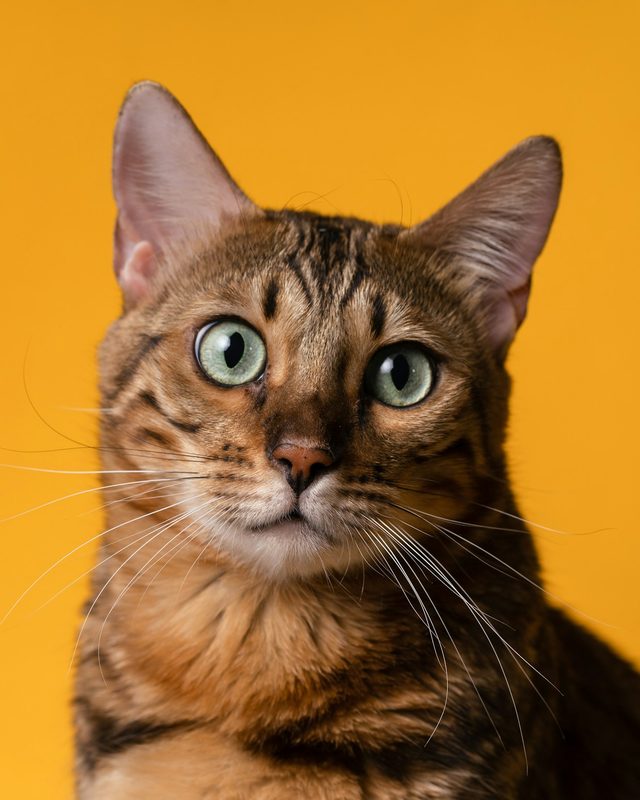
  • A Bengal cat photographed at its own eye level, looking at the camera
    Eye level, facing the cameraTaken at your pet's level makes the best portraits.
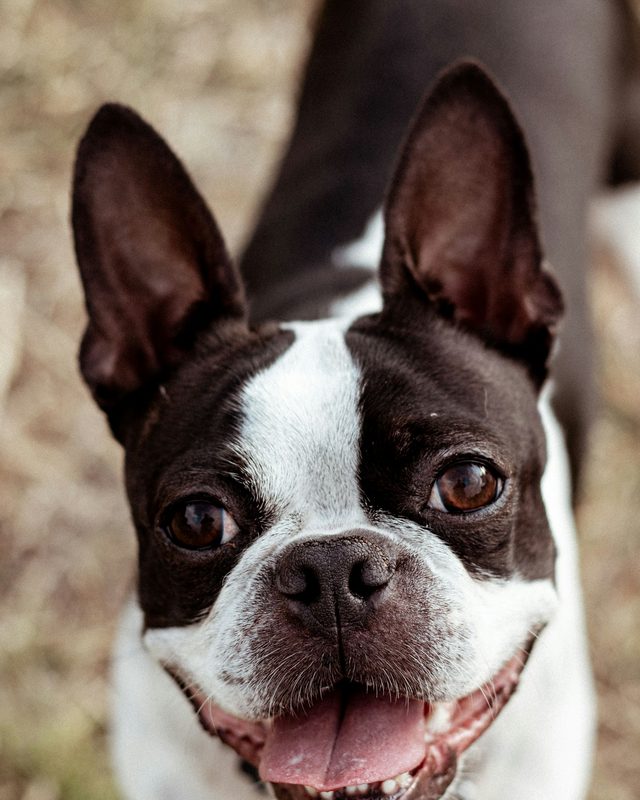
  • A Boston Terrier with its whole head and both ears in the photo
    Whole head and ears in frameNothing cropped off.
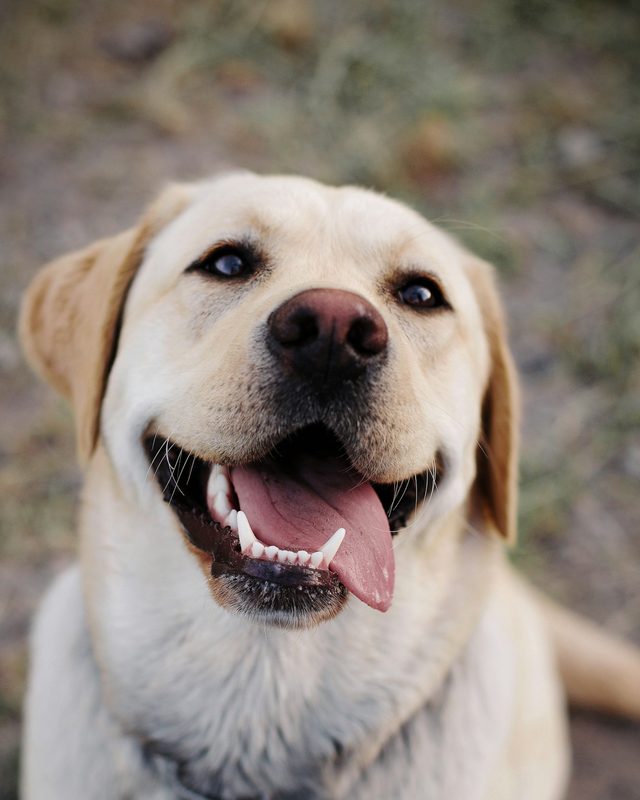
  • A Labrador in soft daylight
    Good, natural lightDaylight works best. No heavy shadows or flash.
Photos to avoid

  • Example of a blurry pet photo
    BlurryWe can't see the eyes and fur detail.
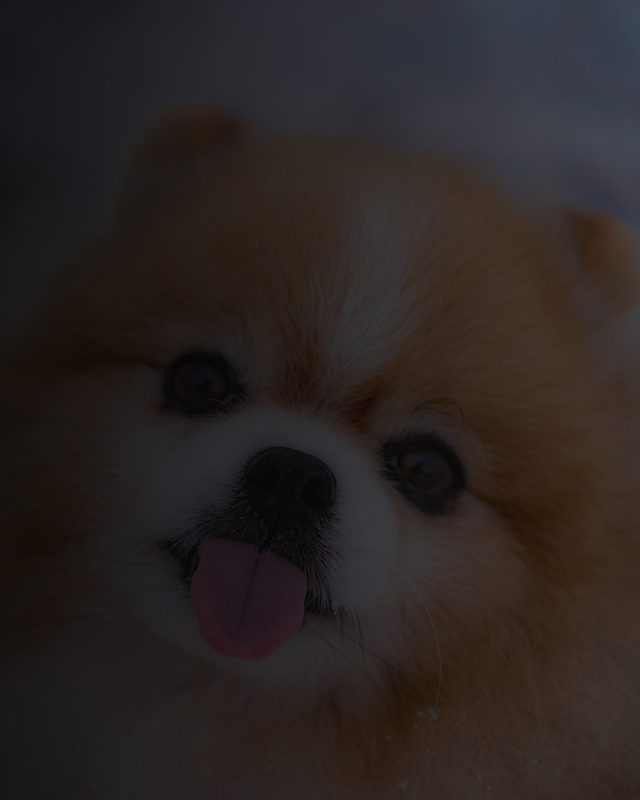
  • Example: a photo that is far too dark
    Too darkHeavy shadows hide your pet's face.
  • Example: a photo with the top of the head and ears cut off
    Head or ears cut offKeep the whole head in the photo.
  • Example: a blocky, low-quality copy of a photo
    A screenshot or photo of a photoSend the original from your phone instead.

One photo per pet: for multi-pet portraits, separate photos of each pet are perfect. They don't need to be together.

Not sure about a photo? Send it anyway. If we need a better one, we'll email you before we start.

Shop pet portraits